
### How can I use a narrative essay outline template to organize my thoughts and ideas in a clear and concise manner, while also showcasing my writing skills to the professor?
Narrative Essay Structure Template: A Comprehensive Guide for Students and Academics
The art of crafting a compelling narrative essay is a skill that every student and academic should master. A well-structured narrative essay can transport readers to new worlds, evoke powerful emotions, and convey complex ideas with clarity and precision. In this definitive guide, you’ll learn the fundamentals of narrative essay structure, including step-by-step guides, expert tips, and real-world examples to help you become a proficient narrative essay writer.
Introduction to Narrative Essays
A narrative essay is a type of essay that tells a story, often based on personal experience or imagination. It’s a popular assignment in many academic disciplines, including English, creative writing, and communications. The key to writing a successful narrative essay is to create a clear and engaging story that draws the reader in and keeps them invested until the very end.
Understanding the Narrative Essay Structure
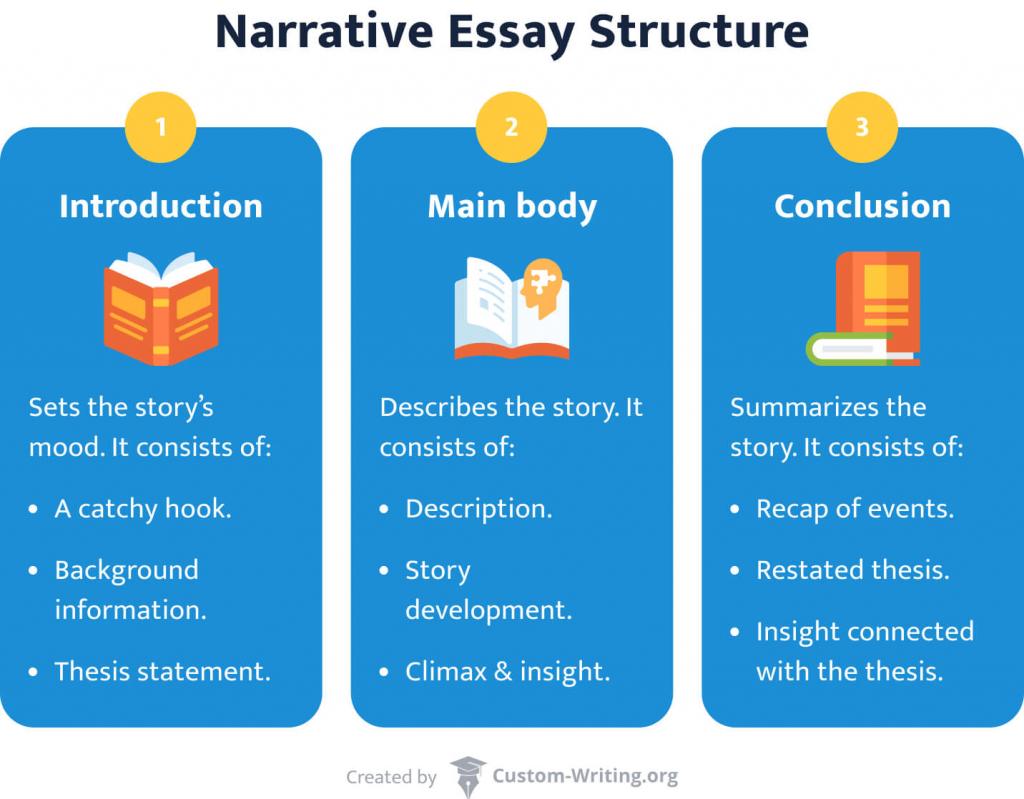
The narrative essay structure typically consists of the following elements:
Introduction: Introduces the story, setting, and characters
Rising Action: Builds tension and conflict
Climax: The most intense or critical moment in the story
Falling Action: Resolves the conflict and ties up loose ends
Conclusion: Reflects on the story and its significance
Step-by-Step Guide to Writing a Narrative Essay
To write a narrative essay, follow these steps:
- Brainstorm ideas: Think about personal experiences, memories, or imagination that you can draw upon for your story.
- Develop your characters: Create believable and relatable characters that drive the story forward.
- Establish the setting: Use descriptive language to transport the reader to the time and place of your story.
- Write a compelling introduction: Hook the reader with an interesting fact, quote, or anecdote.
- Build the rising action: Use descriptive language and sensory details to create tension and conflict.
- Reach the climax: The most intense or critical moment in the story.
- Resolve the conflict: Tie up loose ends and bring the story to a close.
- Conclude and reflect: Reflect on the story and its significance.
Common Mistakes to Avoid
When writing a narrative essay, avoid the following common mistakes:
Lack of clarity: Failing to clearly establish the story, setting, and characters.
Poor pacing: Rushing through the story or dragging it out too long.
Insufficient detail: Failing to use descriptive language and sensory details to bring the story to life.
Weak conclusion: Failing to reflect on the story and its significance.
Expert Tips for Writing a Narrative Essay
To take your narrative essay to the next level, follow these expert tips:
Show, don’t tell: Rather than telling the reader what’s happening, show them through descriptive language and sensory details.
Use active voice: Use active voice to create more engaging and dynamic writing.
Vary sentence structure: Mix up short and long sentences to create a sense of rhythm and flow.
Use dialogue effectively: Use dialogue to reveal character, create tension, and advance the plot.
Real-World Examples of Narrative Essays
Some famous examples of narrative essays include:
“The Story of an Hour” by Kate Chopin: A classic example of a narrative essay that explores themes of identity, marriage, and freedom.
“The Tell-Tale Heart” by Edgar Allan Poe: A masterful example of a narrative essay that uses suspense, symbolism, and psychological insight to create a haunting tale.
“The Glass Castle” by Jeannette Walls: A memoir that uses narrative essay techniques to tell a powerful and moving story of family, love, and resilience.
Best Practices for Writing a Narrative Essay
To ensure that your narrative essay is the best it can be, follow these best practices:
Read widely: Read a variety of narrative essays to understand different styles, structures, and techniques.
Practice regularly: The more you write, the better you’ll become at crafting compelling narrative essays.
Get feedback: Share your work with others and ask for feedback to help you improve.
Revise and edit: Take the time to revise and edit your work to ensure that it’s polished and error-free.
Downloadable Resources
To help you get started with writing your narrative essay, download our free resources:
| Resource | Description |
|---|---|
| Narrative Essay Template | A downloadable template to help you structure your narrative essay |
| Narrative Essay Checklist | A checklist to ensure that your narrative essay includes all the essential elements |
| Narrative Essay Examples | A collection of narrative essay examples to inspire and guide you |
Conclusion
Writing a narrative essay is a skill that takes time and practice to develop. By following the steps outlined in this guide, avoiding common mistakes, and incorporating expert tips and best practices, you’ll be well on your way to crafting compelling narrative essays that engage and inspire your readers. If you need professional academic writing assistance or want to apply these concepts with guidance, visit https://skilfulwriters.com/place-order/ for expert help with your assignments. With dedication and practice, you’ll become a proficient narrative essay writer, capable of transporting readers to new worlds and conveying complex ideas with clarity and precision.