
How can I make my graduate school application essay stand out from the competition?
As a prospective graduate student, submitting a well-crafted application essay is a crucial step in securing admission to your desired program. A flawless application essay can make a significant difference in showcasing your skills, experiences, and motivations, setting you apart from other applicants. In this article, we will guide you through the process of producing a high-quality application essay that highlights your strengths and demonstrates your potential for success in a graduate program.
Introduction to Graduate Application Essays
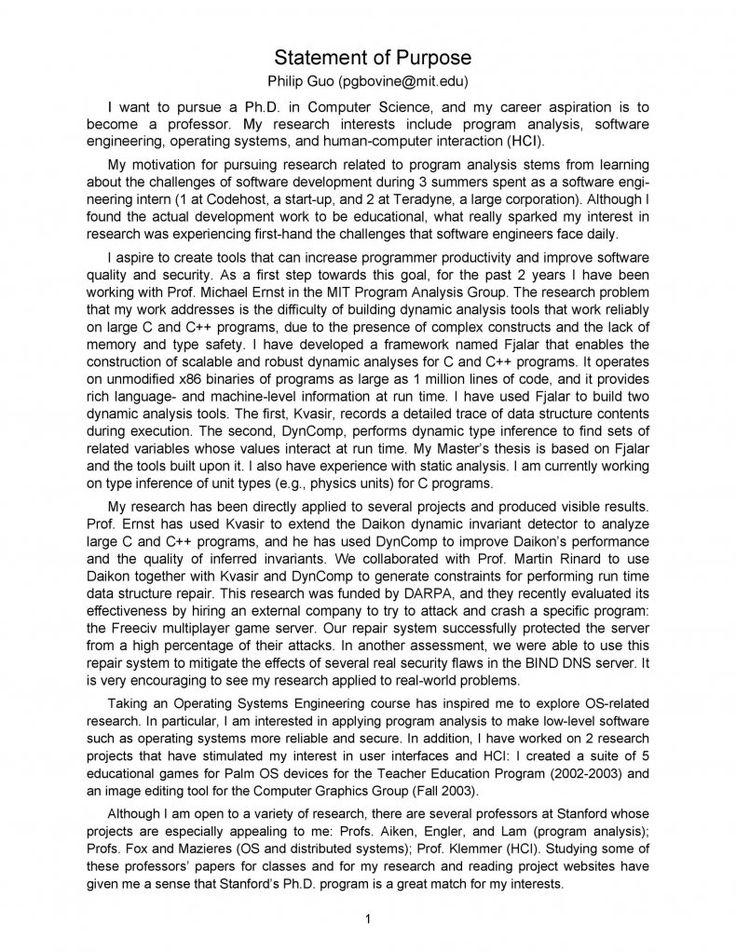
A graduate application essay, also known as a statement of purpose or personal statement, is a written document that accompanies your application to a graduate program. Its primary purpose is to provide the admissions committee with a comprehensive understanding of your academic background, research interests, career goals, and motivations for pursuing a graduate degree. A well-written essay can help you stand out from the competition, while a poorly written one can hinder your chances of admission.
Understanding the Requirements
Before starting to write your application essay, it is essential to understand the requirements of the program you are applying to. Each graduate program has its unique set of requirements, and it is crucial to tailor your essay to the specific program. Here are some factors to consider:
Word count: Check the word limit for the essay and ensure that you stay within the specified range.
Topic: Some programs may provide a specific topic or prompt, while others may give you the freedom to choose your own.
Format: Check if there are any specific formatting requirements, such as font, spacing, or margins.
Content: Understand what the admissions committee is looking for in the essay, such as research experience, academic background, or career goals.
Benefits and Practical Tips
Producing a flawless application essay requires careful planning, research, and writing. Here are some benefits and practical tips to help you get started:
Start early: Give yourself plenty of time to research, outline, and write your essay.
Understand the program: Research the program and its faculty to demonstrate your interest and knowledge.
Show, don’t tell: Use specific examples to demonstrate your skills and experiences rather than simply stating them.
Edit and proofread: Ensure that your essay is free of errors and flows smoothly.
Some additional tips to keep in mind:
Use active voice: It tends to be more engaging and easier to read than passive voice.
Use clear and concise language: Avoid using jargon or overly complex terminology.
Use transitions: Connect your ideas and paragraphs to create a cohesive essay.
Case Studies
Let’s take a look at some examples of successful application essays:
| Program | Essay Topic | Key Points |
| — | — | — |
| MBA | Career goals and motivations | Demonstrated a clear understanding of the program and its curriculum, highlighted relevant work experience, and showed a passion for business leadership. |
| PhD in Engineering | Research interests and experience | Showcased a strong research background, highlighted relevant skills and techniques, and demonstrated a clear understanding of the program’s research focus. |
| Master’s in Public Health | Personal statement | Shared a personal experience that motivated them to pursue a career in public health, highlighted relevant coursework and volunteer experience, and demonstrated a commitment to the field. |
First-Hand Experience
We spoke with a recent graduate student who shared their experience with writing an application essay:
“I remember spending hours researching the program and its faculty, trying to understand what they were looking for in an applicant. I also made sure to showcase my research experience and skills, as well as my passion for the field. The most challenging part was editing and proofreading, but it was worth it in the end. My advice to prospective students is to start early, be genuine, and show the admissions committee why you are a strong fit for the program.”
Structuring Your Essay
A well-structured essay is essential to conveying your message effectively. Here is a general outline to follow:
- Introduction: Introduce yourself, state the purpose of the essay, and provide a thesis statement.
- Body paragraphs: Provide specific examples and anecdotes to support your thesis statement.
- Conclusion: Summarize your main points, reiterate your thesis statement, and provide a final thought.
Some additional tips to keep in mind:
Use a clear and concise thesis statement: It should provide a roadmap for the rest of the essay.
Use topic sentences: They should provide a clear direction for each paragraph.
Use evidence and examples: They should support your claims and make your essay more engaging.
Common Mistakes to Avoid
Here are some common mistakes to avoid when writing an application essay:
Lack of clarity: Ensure that your writing is clear and concise.
Poor grammar and spelling: Edit and proofread your essay carefully.
Lack of specificity: Use specific examples and anecdotes to support your claims.
Insufficient research: Demonstrate a clear understanding of the program and its faculty.
Conclusion
Producing a flawless application essay requires careful planning, research, and writing. By understanding the requirements, showcasing your strengths and experiences, and avoiding common mistakes, you can create an essay that sets you apart from other applicants. Remember to start early, be genuine, and demonstrate your passion for the field. With these tips and guidelines, you can increase your chances of securing admission to your desired graduate program. Good luck!